
The only time people think of plumbing is when they encounter some problems, including leaking pipes, blocked drains, and unexpected water shutdowns.
The plumbing systems run around the clock to provide clean and pure drinking water as well as treat the sewage for proper disposal.
The plumbing systems in all buildings must be functioning properly since they play an important role in ensuring proper sanitary conditions and comfortable spaces.
Plumbing technology has advanced from the initial basic technology, which consisted of pipes, to the present day, where the technology offers improved performance through advanced piping technology.
The present technology offers improved installation, operational reliability, and power consumption efficiency.
The introduction of press-fit connections, smart leak detection systems, and strong piping materials has completely changed the approach to water management in today’s buildings.
Plumbing as a study area involves the study of the basic components as well as the present technological advancements in the field.
What is Plumbing Technology?
Every building requires plumbing installation because it functions as an essential element for its structural framework.
The definition of plumbing includes the complete system, which consists of pipes, valves, fixtures, and fittings that deliver potable water while disposing of sewage.
Plumbing systems reached their present form during the 20th century, which modernized the field, although their origins trace back to ancient times.
The development of water distribution systems for improved sanitation and urban living standards was one of the first achievements made by Roman engineers.
The history of plumbing shows that its methods have evolved from their basic beginnings with clay and metal pipes to their present state, which uses advanced materials and installation methods.
The present plumbing system design strives to achieve three objectives, which include building systems that last longer, reducing maintenance requirements, and creating operational systems that run at their highest efficiency.
A building uses its plumbing systems to perform multiple essential functions, which include:
- The delivery of safe drinking water
- The secure disposal of wastewater
- The operation of hygiene systems
- The provision of climate control functions in specific systems
The expansion of cities, together with the construction of more complex infrastructure systems, has created a rising need for plumbing solutions that offer both reliability and efficient performance.
You may also like – Multilayer Pipe
Types of Plumbing Systems
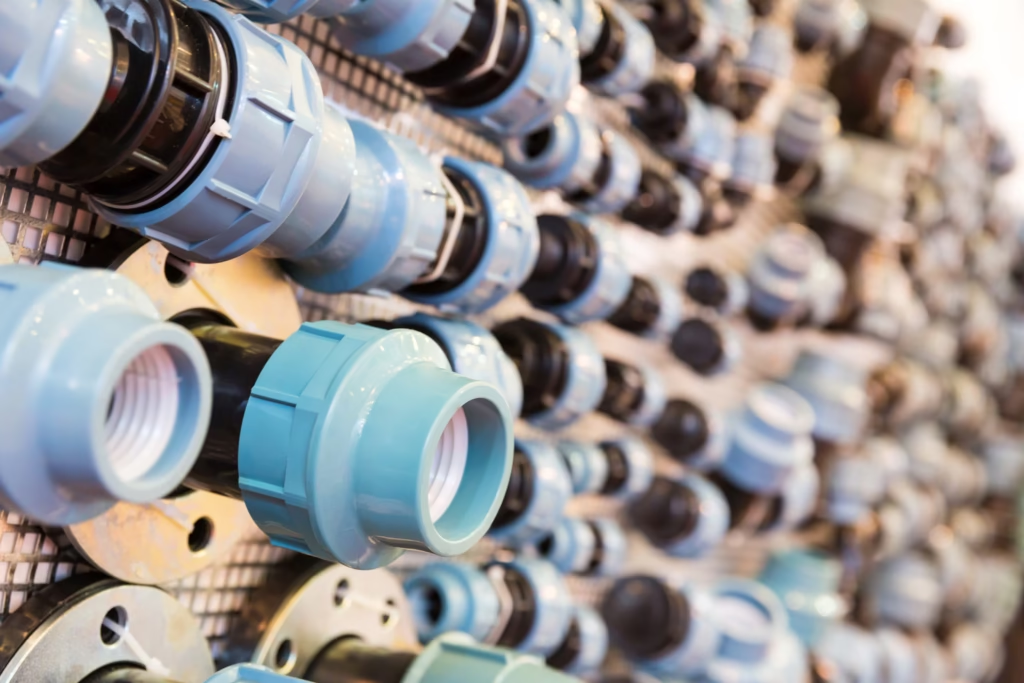
The study of various plumbing systems provides knowledge about building water distribution and waste disposal methods.
Water Supply Systems
The systems operate to deliver a clean drinking water supply to fixtures, which include sinks, showers, and appliances.
The system uses pressurized pipelines for water distribution throughout all building areas. The systems have become more efficient because of improvements in material design and installation techniques.
The system transports wastewater from all types of plumbing fixtures, which include sinks and toilets. The system uses pipes to move waste material, which utilizes gravity to reach the sewage system.
The new design reduces the probability of blockages while making systems work better for extended time periods.
Ventilation Systems
The vent pipes control the air pressure that exists inside the drainage system. This system maintains proper wastewater flow while stopping unpleasant smells from entering indoor areas.
Stormwater Systems
The system collects rainwater from roofs and surfaces before directing it to safe drainage points. The systems help to stop flooding while safeguarding buildings against water-related destruction.
The two systems work together to provide efficient water distribution and waste disposal systems, which service all building areas.
Also Read – Types of Pipe Fittings
Latest Plumbing Technology Transforming the Industry
The plumbing industry has experienced major technological advancements during the last several years. The new technological systems enable experts to complete their tasks more efficiently while enhancing both safety standards and operational effectiveness.
Smart leak detection systems represent one of the main technological advancements currently available. The systems track water flow patterns through their monitoring capabilities, which allow them to detect leaks promptly.
Users can protect themselves against expensive damages through this feature, which reduces their requirement for standard maintenance activities.
Advanced piping materials have developed into a key component of modern infrastructure systems.
The multilayer composite pipes deliver dependable performance because they combine lightweight design with exceptional strength and resistance against corrosion and temperature variations.
Modern buildings use touchless fixtures more than ever because people now prefer automatic sensor-based faucets.
The devices improve cleanliness standards while they manage water consumption through their ability to shut off automatically.
The construction industry today requires modern solutions because they offer faster performance than welding or soldering.
The advanced methods that modern solutions bring to construction professionals enable them to work more efficiently while maintaining necessary safety precautions.
What is Press Technology in Plumbing?
The development of press-fit technology stands as the main breakthrough that transformed contemporary plumbing systems.
This method uses specialized tools to join pipes by pressing fittings into place, which creates secure, leak-proof connections that eliminate the need for welding, soldering, or threading.
The industry adopts press technology because of three key advantages:
Faster Installation
The system allows quick pipe connections, which results in a shorter overall project duration.
Improved Safety
The system ensures construction sites remain safe because it requires no open flames, which would create fire hazards.
High Reliability
The mechanical joints possess exceptional strength and durability, which engineers built to withstand many years of use.
The advantages provided by press-fit systems have resulted in their current status as standard equipment for both commercial and industrial applications.
Benefits of Modern Plumbing Technology
Modern plumbing systems provide multiple benefits for both installers and property owners.
Time Efficiency
The use of advanced installation techniques enables construction projects to be completed in shorter time periods.
Durability
The new materials provide protection against corrosion, pressure changes, and temperature fluctuations.
Water Efficiency
Smart fixtures enable water waste reduction while they support sustainable development efforts.
Enhanced Safety
The usage of contemporary installation methods decreases the danger that exists with conventional installation techniques.
Lower Maintenance
The high-quality systems demand less maintenance work while they deliver dependable performance throughout their lifespan.
The Future of Plumbing Technology
The plumbing industry will use sustainable solutions that achieve operational efficiency through monitoring technologies.
Users can monitor their daily water consumption through IoT-enabled sensors while the system detects leaks and notifies maintenance teams.
The use of predictive maintenance has increased in popularity. The system uses data analysis to identify possible system failures before they actually happen.
The worldwide water demand increase will drive the need for sustainable materials and water-efficient technologies to become essential elements of construction projects.
The new technologies will enable building systems to implement better water management practices, which will reduce environmental damage to nearby ecosystems.
Conclusion on the Plumbing Technology
Plumbing systems serve as the fundamental support structure for current infrastructure, which enables secure drinking water distribution and efficient waste disposal.
Plumbing has progressed from basic systems to complex technologies, which now address the requirements of contemporary construction projects.
The industry uses smart leak detection together with advanced materials and press-fit technology to create systems that operate faster while maintaining higher safety standards and better dependability.
Plumbing technology will maintain its essential function for resource conservation and efficiency improvements, which helps buildings develop into future-ready structures.


