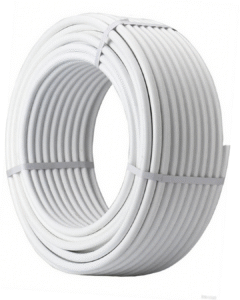
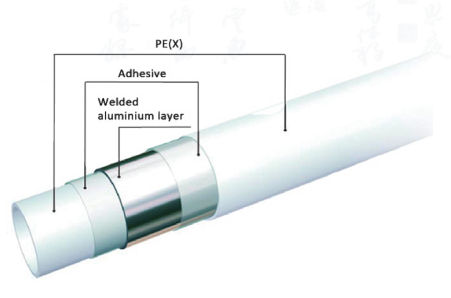
Top Aquapress multilayer pipe is a five-layer composite pipe that brings together the strengths of both metal and plastic piping, while avoiding their weaknesses. Its aluminium layer effectively blocks oxygen and other gases from seeping through. This PAP pipe also minimizes snap-back force and adjusts to heat expansion caused by temperature changes. Thanks to its corrosion resistance and easy installation, it is widely used in water, heating, and gas systems across Europe, America, Australia, and other regions.
Product Parameters
PRODUCT
SPECIFICATION
PEX/PERT/PE-AL-PEX/PERT/PE pipes
16*2.0mm
18*2.0mm
20*2.0mm
25*2.5mm
32*3.0mm
40*4.0mm
50*4.5mm
63*6.0mm
75*7.5mm
PRODUCT
Specification
Working temperature
Working pressure
Usage
TOP AQUAPRESS Multilayer pipes
PEX/AL/PEX
-40°C ~ 95°C
≤1.0Mpa
Plumbing / Heating / Gas
PERT/AL/PERT
-40°C ~ 95°C
≤1.0Mpa
Plumbing / Heating / Gas
HDPE/AL/HDPE
-40°C ~ 95°C
≤0.4Mpa
Gas
PEX/AL/PEX
60°C
≤3.8Mpa
Air conditioning
Product Advantages
TOP AQUAPRESS MULTILAYER PIPES
Aging Resistance
High Pressure and Low Temperature Resistance
Leak-Free Connections
TOP AQUAPRESS Multilayer Composite Pipes Offer Multiple Advantages:
Aging Resistance: The aluminum layer isolates the inner and outer PE(X) layers, allowing the addition of UV- and oxidation-resistant stabilizers to the outer layer without affecting the inner layer’s water hygiene. This significantly enhances aging resistance and extends the pipe’s service life.
High Pressure and Low Temperature Resistance: The pipe excels in both high and low temperature resistance, with low thermal expansion. It absorbs certain levels of deformation without causing expansion-related issues in the pipeline system. The aluminum layer greatly improves pressure-bearing capacity.
Leak-Free Connections: These pipes can be connected with press fittings or compression brass fittings, avoiding issues like diameter reduction from thermal fusion (common in PPR pipes) and eliminating leakage risks. Their flexibility allows easy bending, reduces flow resistance, requires fewer fittings, and further minimizes potential leaks.